

The Dōkkōdo Continued
Part 2 of my mini-series covering the philosophy of Kensei Miyamoto Musashi

Last week, I covered the first seven precepts of Miyamoto Musashi’s Dōkkōdo, and today I’ll be covering the next seven. If you haven’t read the first post, I’d definitely recommend giving that a look first, as it gives you some useful background information and Musashi and the Dōkkōdo itself.
Without further ado, I’ll jump straight into the first precept I’ll be covering today.
8. Never let yourself be saddened by a separation

A lot of Musashi’s precepts are very Stoic, and involve emotional control and acceptance of circumstances. Because of Musashi’s warrior status, he would have undoubtebly lost brothers in arms, having been involved in large conflicts like the Shimabara Rebellion. In battle, becoming disheartened by the loss of a fellow soldier will likely end up with you joining them, and so it was necessary for Musashi to remain stoic in the heat of battle.
We can apply this idea of remaining unfazed in the face of hardship, the core of the Stoic philosophy.
9. Resentment and complaint are appropriate neither for oneself nor others.

If you’ve ever read Dale Carnegie’s How to Win Friends and Influence People, this precept will resonate with you. In his book, Carnegie writes that, as first principle of dealing with others,
“Don’t criticise, condemn, or complain”.
He justifies this by explaining that whenever you criticise someone, they’ll justify their actions and likely retaliate at you, ultimately meaning your complaint did nothing but upset the other person. Carnegie says the solution to this is to be understanding of the other person, to have radical empathy and to try and figure out why they behaved the way they did.
My guess would be that this idea is what Musashi is referencing here. First, the Stoic idea of being grateful for what you have and not complaining about your situation, and Carnegie’s principle about being more understanding of others.
10. Do not let yourself be guided by the feeling of lust or love.

This one is rather self-explanatory. Musashi is often depicted rejecting the opportunity for relationships in order to hone his craft, which is essentially what is referenced here.
Here, he argues essentially that your purpose should come before your relationships; whether you apply this yourself is ultimately up to you, as relationships mean different things to different people, but we can all take away the metaphorical interpretation - that being that you should not be guided by the desire for instant gratification.
11. In all things have no preferences
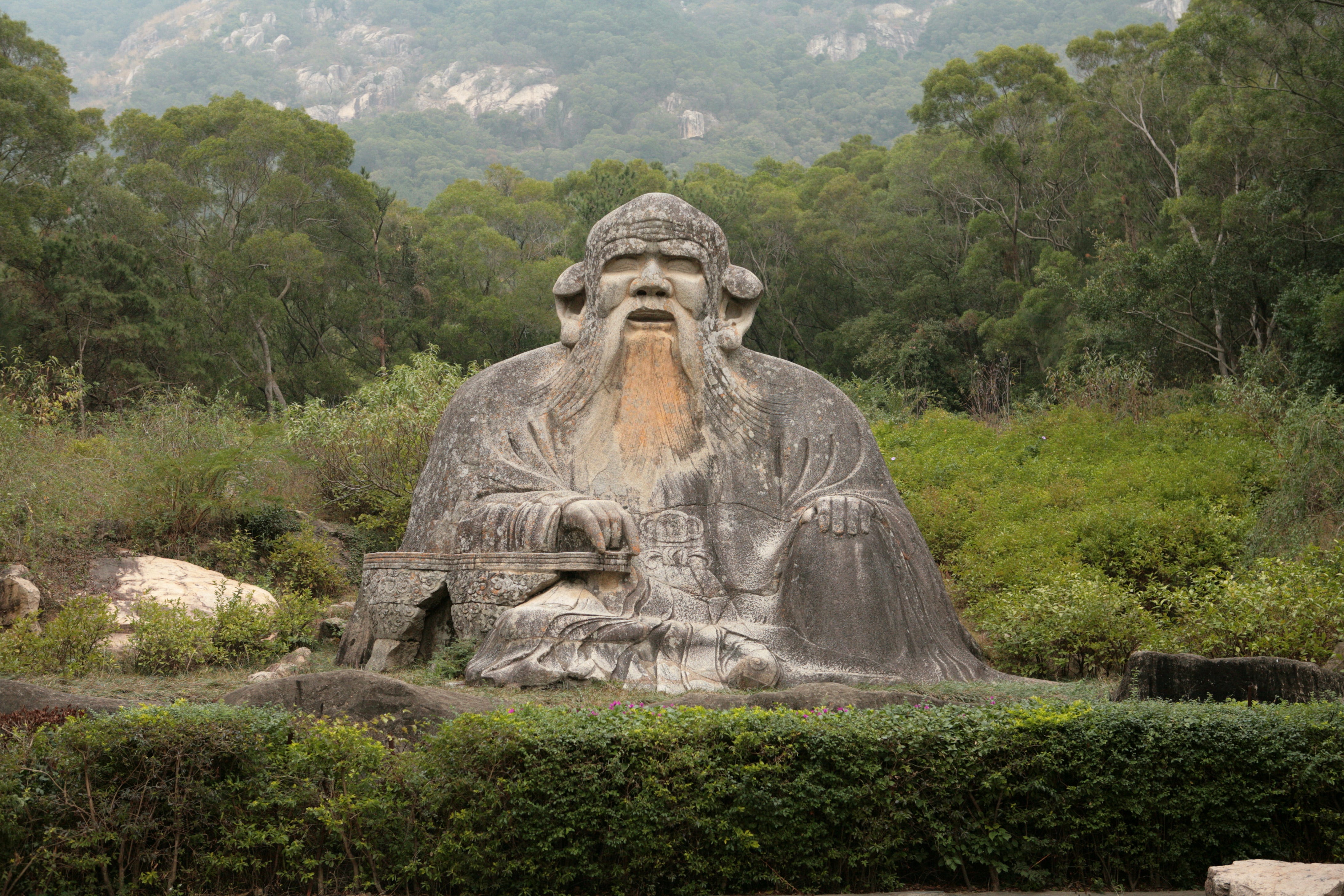
This bears similarity to the Taoist philosophy, with Lao Tzu explaining this precept in the quote:
“When people see some things as beautiful, other things become ugly.
When people see some things as good, other things become bad”
This links into the idea of perception, and can be extrapolated upon by Seneca’s writings in his thirteenth letter on “Groundless fears”
“There are more things … likely to frighten us than there are to crush us; we suffer more often in imagination than in reality”
Here, Musashi explains that life is what we perceive it to be. If we perceive one thing as good, we will see the other as bad. This binary thinking means we can get ourselves upset over something that, in reality, isn’t necessarily worth getting upset about. This idea is all about taking life for its face value rather than projecting our own expectations and ideas onto the outside world.
12. Be indifferent to where you live.

This can be interpreted more in a metaphorical sense than a literal sense. Essentially, the idea Musashi is alluding to here is that you should not allow yourself to be constrained by your circumstance. This precept can be summarised by the quote by Charles R. Swindoll:
“Life is 10% what happens to you and 90% how you react”
This is the idea of taking responsibility for your life, and not letting your environment determine your results.
It could also be interpreted as an idea of flexibility - you should want to be able to operate in all environments should you be forced to.
13. Do not pursue the taste of good food.

This one, similar to the 10th precept, can be interpreted metaphorically, in the sense that we should not seek instant pleasure from things like food. This is especially important in today’s world, as junk food is a commodity - we have to be understand the dangers of it and try to lead a healthier diet rather than indulging in grease all the time.
14. Do not hold on to possessions you no longer need.

This one is also quite literal but can be interpreted metaphorically. For Musashi, this would be very literal, in that because he was travelling alone, he had no ability to store things he wouldn’t use straight away - he had to live as a minimalist.
This idea of minimalism bears resemblance to the Stoic virtue of Temperance: doing more with less. This ascetic lifestyle is promoted in religion like Buddhism, where ascetism is said to bring about enlightenment.
Essentially, because you can operate with just the bare minimum, you live in abundance - because you have everything you desire, so everything else is just a bonus.
This can also be seen from a growth-oriented view. It encourages us to let go of past events and instead look at the present, and how we can change it to move forwards.
Conclusion
This one was a lot more literal than the last, but I hope the metaphorical interpretations are interesting to you. Next week, I’ll be writing the final instalment of this mini-series, covering the last 7 precepts.
How did you interpret these concepts? Did you find any useful appliance to your own life? Let me know in the comments or on my Instagram.
See you soon!
- Tom
Sources:
https://en.wikipedia.org/wiki/Miyamoto_Musashi
Image Source:
https://www.flickr.com/photos/62424894@N00/2175595214
This file is licensed under the Creative Commons Attribution 2.0 Generic license.
No changes have been made to the file.
DISCLAIMER
The content provided in these posts are designed to be educational and informative. I am not a medical doctor, psychologist, therapist, nutritionist, or registered dietitian. The contents of these emails should not be seen as medical, psychological, dietary, nutritional, or healthcare advice of any kind. Always consult a qualified health professional on any matters regarding your health.